
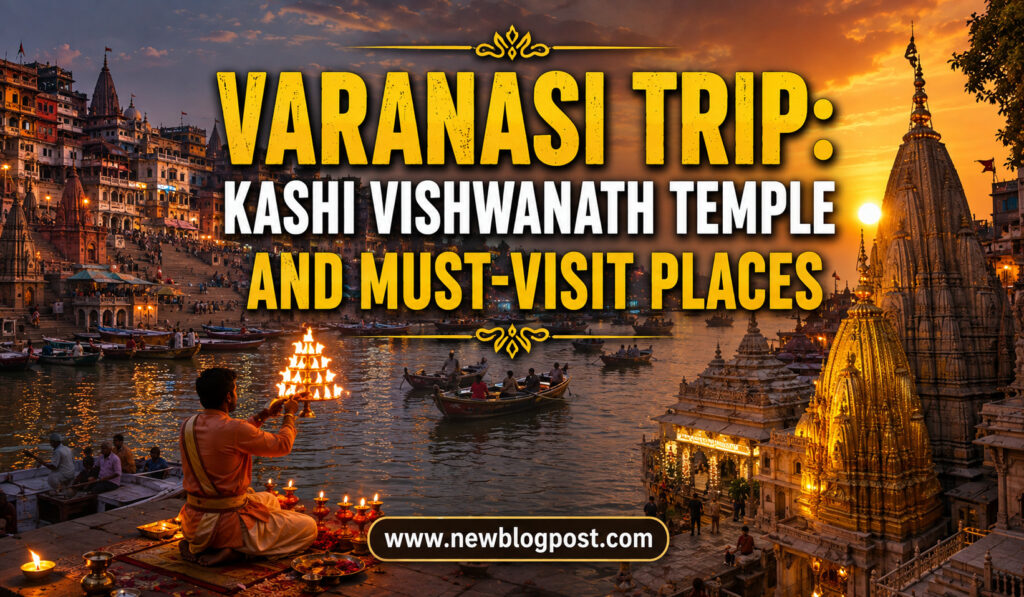

Varanasi is one of India’s oldest and most fascinating cities, attracting pilgrims, domestic travellers, international tourists and photographers throughout the year. Located on the banks of the sacred Ganga River in Uttar Pradesh, the city is widely known as Kashi or Banaras and has been an important centre of spirituality, learning, music and culture for centuries.
For many visitors, the main reason to travel to Varanasi is the revered Kashi Vishwanath Temple, one of the twelve Jyotirlingas dedicated to Lord Shiva. However, a Varanasi trip is much more than a temple visit. The city’s famous ghats, narrow old-city lanes, Ganga boat rides, evening Ganga Aarti and historic temples offer a travel experience that is difficult to compare with other destinations.
Varanasi can feel busy, crowded and intense, but that is also part of its character. Ancient traditions continue alongside modern hotels, restaurants, roads and tourism infrastructure. For first-time travellers, a little planning can make the experience much more comfortable.
This complete travel guide covers Kashi Vishwanath Temple, famous places to visit, the best time to travel, how to reach Varanasi, accommodation, food, a suggested itinerary, practical travel tips and frequently asked questions.
Why Varanasi Is Such an Important Travel Destination
Varanasi has a special place in India’s religious and cultural history. The city is traditionally associated with Lord Shiva and is considered one of the most sacred pilgrimage destinations for Hindus.
The Ganga is at the centre of the city’s identity. More than 80 ghats line the riverfront, each with its own history and religious significance. Pilgrims come to bathe in the river, perform rituals and visit temples, while travellers often come to experience the city’s architecture, culture and extraordinary riverfront atmosphere.
Varanasi is also famous for classical music, silk weaving, Sanskrit learning and traditional cuisine. This combination means that visitors can experience several different sides of the city during a single trip.
The recent development of the Kashi Vishwanath Dham corridor has also changed the visitor experience around the temple. The expanded pilgrimage area has created more space and improved connectivity between the temple and the Ganga riverfront.
Kashi Vishwanath Temple: The Spiritual Centre of Varanasi
The Kashi Vishwanath Temple is the most important attraction for many visitors. Dedicated to Lord Shiva, the temple houses one of the twelve Jyotirlingas and is regarded as one of the holiest Shiva temples in India.
The temple is located in the old city, close to the Ganga. Its golden domes and distinctive architecture have made it one of Varanasi’s most recognisable landmarks.
The history of the temple has been shaped by repeated reconstruction and political changes over centuries. The present temple structure is closely associated with the 18th-century renovation carried out under Ahilyabai Holkar.
For devotees, visiting Kashi Vishwanath is a deeply spiritual experience. The temple attracts large numbers of pilgrims every day, with especially heavy crowds during Mahashivratri, Shravan and other important religious occasions.
Kashi Vishwanath Dham Corridor
The Kashi Vishwanath Dham project has significantly transformed the area surrounding the temple. The corridor connects the temple more directly with the Ganga riverfront and provides a larger, more organised space for pilgrims.
The redevelopment includes plazas, visitor facilities, halls and other infrastructure designed to manage the growing number of visitors.
Travellers should check the latest official information regarding darshan, entry procedures, security rules and permitted items before visiting. Rules can change depending on crowd levels, festivals and security requirements.
Famous Ghats to Visit in Varanasi
The ghats are perhaps the most visually memorable part of Varanasi. Walking along the riverfront allows visitors to see religious ceremonies, boat activity, traditional architecture and everyday life unfolding beside the Ganga.
Dashashwamedh Ghat
Dashashwamedh Ghat is one of the most famous ghats in Varanasi and is strongly associated with the evening Ganga Aarti. The ghat is generally busy throughout the day, but the atmosphere becomes especially energetic around sunset.
The evening ceremony attracts large crowds, with priests performing rituals using lamps and other traditional elements. Visitors can watch from the ghat itself or from boats on the river.
Assi Ghat
Located towards the southern end of the main riverfront, Assi Ghat has become especially popular among younger travellers and international visitors. It offers a comparatively relaxed atmosphere in the early morning.
Sunrise boat rides and morning cultural programmes are popular experiences around Assi Ghat. Visitors who want to see a quieter side of Varanasi often prefer spending some time here before the city becomes busy.
Manikarnika Ghat
Hindu tradition associates the ghat with liberation and the cycle of life and death. Visitors should approach the area with sensitivity and respect. Photography or intrusive behaviour around funeral activities should be avoided.
Scindia Ghat
Scindia Ghat is known for its historic architecture and partly submerged temples near the river. It is generally less crowded than Dashashwamedh Ghat, making it an interesting place for travellers exploring the riverfront on foot.
Ganga Aarti: A Must-Experience Evening
The Ganga Aarti at Dashashwamedh Ghat has become one of Varanasi’s most recognisable experiences. As evening approaches, the riverfront fills with visitors waiting to watch the ceremony.
The ritual includes coordinated movements by priests, lamps, bells, chants and devotional music. The reflection of the lights on the Ganga creates an atmosphere that is particularly memorable from the river.
The exact timing varies with the season, so travellers should confirm the current schedule locally. Visitors who want a good view should arrive well before the ceremony, especially during weekends and festival periods.
A boat ride during the aarti can provide a different perspective, but travellers should use reputable boat operators and agree on prices before boarding if booking independently.
Ganga Boat Ride: Seeing Varanasi From the River
A sunrise or evening boat ride is one of the easiest ways to understand the scale and character of Varanasi’s riverfront. From the water, travellers can see the ghats stretching along the river, with temples, palaces and historic buildings rising behind them.
Morning rides are particularly popular because the river is often quieter and the soft light creates a peaceful atmosphere. Visitors can observe pilgrims performing rituals, people practising yoga and boats gradually becoming active as the city wakes up.
Boat prices can vary depending on the duration, type of boat and season. It is advisable to clarify the price, duration and route before starting the ride.
Sarnath: An Important Day Trip From Varanasi
Sarnath is one of the most important Buddhist destinations near Varanasi. Located roughly 10 kilometres from the city centre, it is traditionally recognised as the place where Gautama Buddha delivered his first sermon after attaining enlightenment.
The site includes important archaeological remains, monasteries and museums. Dhamek Stupa is among its most recognisable landmarks.
Sarnath provides a striking contrast to the intense atmosphere of Varanasi. The environment is generally quieter and more spacious, making it a worthwhile half-day trip for visitors interested in history, Buddhism and archaeology.
Other Must-Visit Places in Varanasi
Varanasi has many smaller temples and cultural attractions that can be included depending on the length of the trip.
Sankat Mochan Hanuman Temple
The Sankat Mochan Hanuman Temple is one of Varanasi’s prominent religious sites. Devotees visit the temple to pray to Lord Hanuman, and its spiritual atmosphere makes it an important stop for many pilgrims.
Visitors should follow temple security and photography rules because restrictions may apply.
Durga Temple
The Durga Temple, popularly known as Durga Kund Temple, is dedicated to Goddess Durga. Its distinctive red-coloured architecture makes it easy to recognise.
The temple is located near other southern Varanasi attractions and can be included in a sightseeing route around Assi Ghat.
Banaras Hindu University
Banaras Hindu University is one of India’s major educational institutions and an important part of Varanasi’s modern identity. The large campus provides a contrast to the crowded old city.
The New Vishwanath Temple on the university campus is also worth visiting. Its architecture and peaceful surroundings offer a different experience from the historic Kashi Vishwanath Temple.
Ramnagar Fort
Located across the Ganga, Ramnagar Fort is associated with the former Maharaja of Banaras. The fort provides an opportunity to explore the region’s royal heritage and architecture.
Visitors can combine the fort with a river crossing or a longer sightseeing plan, depending on available time.
Varanasi’s Famous Old-City Lanes
One of the best ways to experience Varanasi is simply to walk through the old city’s narrow lanes. These streets can be confusing for first-time visitors, but they reveal another side of the city.
Small temples, sweet shops, silk stores, guest houses and traditional homes are often located close together. The area around Kashi Vishwanath is particularly lively.
Walking should be done patiently because some lanes are crowded with pedestrians, motorcycles, delivery vehicles and pilgrims. Comfortable footwear is highly recommended.
Varanasi Food and Local Specialities
Varanasi is famous for its street food and traditional vegetarian cuisine. Visitors can try local breakfast dishes, snacks and sweets while exploring the old city.
Kachori-sabzi, jalebi, tamatar chaat, lassi and Banarasi paan are among the city’s best-known food experiences. Banarasi silk and traditional sweets are also popular purchases.
Travellers should select food outlets that maintain good hygiene, especially when trying street food. Drinking safe water is equally important.
Best Time to Visit Varanasi
The winter months from October to March are generally comfortable for exploring Varanasi. Temperatures are more suitable for walking through the old city and spending time along the ghats.
The monsoon season can bring heavy rainfall and changes in river conditions. Summer temperatures can be high, making midday sightseeing uncomfortable.
Festival periods can be exciting but crowded. Mahashivratri, Dev Deepawali and other religious events attract large numbers of visitors. Dev Deepawali, celebrated after Diwali, is particularly famous for the illumination of the ghats.
| Season | What to Expect |
| October–March | Pleasant weather and ideal sightseeing conditions |
| April–June | Hot afternoons; early morning and evening are better |
| July–September | Monsoon conditions and possible rain |
| Festival periods | Spectacular atmosphere but very large crowds |
How to Reach Varanasi
Varanasi has strong transport connections with major Indian cities.
By air, travellers can use Lal Bahadur Shastri International Airport, which is located outside the main city. Taxis and other transport options connect the airport with central Varanasi.
By rail, Varanasi Junction and other railway stations serve the city. Train services connect Varanasi with Delhi, Mumbai, Kolkata, Chennai, Lucknow and many other cities.
Road connectivity is also available from major cities in Uttar Pradesh and neighbouring states. Travellers should choose transport according to their starting point and schedule.
Suggested Three-Day Varanasi Itinerary
A three-day trip provides enough time to experience the city’s major attractions without rushing through every location.
Day 1: Kashi and the Old City
Start with Kashi Vishwanath Temple and explore the Kashi Vishwanath Dham area. Continue towards nearby temples and old-city lanes before spending the evening at Dashashwamedh Ghat for the Ganga Aarti.
Day 2: Ghats and River Experience
Begin with an early morning boat ride on the Ganga. Explore Assi Ghat and other important riverfront areas before visiting attractions such as Sankat Mochan Temple and Banaras Hindu University.
Day 3: Sarnath and Cultural Exploration
Spend the morning visiting Sarnath and its archaeological and Buddhist sites. Return to Varanasi and use the remaining time for shopping, local food and a relaxed walk through the old city.
This itinerary can be adjusted according to temple schedules, weather and personal travel preferences.
Accommodation in Varanasi
Varanasi has accommodation ranging from budget guest houses and dharamshalas to luxury hotels and riverside properties.
Staying near the ghats provides easy access to the riverfront and old city, but the surrounding lanes may be crowded and difficult for vehicles. Hotels closer to major roads can provide easier transport access.
Travellers should book early during major festivals, winter weekends and holiday periods because demand can rise quickly.
Important Travel Tips
Varanasi is a relatively easy city to explore, but first-time visitors should be prepared for crowds, narrow lanes and a busy urban environment.
Keep these points in mind:
- Wear comfortable footwear because walking is an important part of exploring the old city.
- Check official temple rules before visiting Kashi Vishwanath.
- Keep your valuables secure in crowded areas.
- Confirm boat prices and trip duration before boarding.
- Respect religious ceremonies and avoid intrusive photography.
- Carry drinking water, especially during warmer months.
Travellers should also be cautious about unsolicited guides or people offering unusually expensive religious services. When in doubt, use official information or established tourism services.
Final Thoughts
A Varanasi trip is an experience that combines spirituality, history, culture and everyday life in a way few Indian destinations can match. Kashi Vishwanath Temple remains the spiritual centre of the journey, but the city’s character becomes clearer when travellers explore the ghats, ride a boat on the Ganga, attend the evening aarti and walk through the old lanes.
For first-time visitors, three days can provide a balanced introduction to Varanasi. Starting with Kashi Vishwanath, exploring the riverfront and adding Sarnath creates an itinerary that covers both the spiritual and historical sides of the region.
Varanasi may appear chaotic at first, but beneath the crowds and constant movement lies a city shaped by centuries of tradition. From sunrise on the Ganga to the glowing lamps of the evening aarti, the city offers moments that remain memorable long after the journey ends.
Whether you are travelling for pilgrimage, photography, history, food or cultural exploration, Varanasi offers something distinctive. The best way to experience it is not by rushing from one attraction to another, but by allowing time to absorb the atmosphere of Kashi itself.
Frequently Asked Questions About Varanasi Trip
How many days are enough for Varanasi?
Three days are ideal for a first trip because they provide enough time for Kashi Vishwanath Temple, major ghats, the Ganga Aarti, a boat ride and a half-day visit to Sarnath.
What is Varanasi most famous for?
Varanasi is famous for Kashi Vishwanath Temple, the Ganga River, its historic ghats, Ganga Aarti, religious traditions, Banarasi silk and its cultural heritage.
Is Kashi Vishwanath Temple open to all visitors?
The temple welcomes devotees, subject to its current entry, security and darshan rules. Visitors should check the latest official instructions before travelling.
Is a Ganga boat ride worth taking?
Yes. A boat ride offers a unique view of Varanasi’s ghats and is one of the most memorable ways to experience the city, particularly around sunrise or during the evening aarti.
How far is Sarnath from Varanasi?
Sarnath is roughly 10 kilometres from central Varanasi, making it convenient for a half-day visit.
What should I buy in Varanasi?
Banarasi silk products, traditional handicrafts, religious souvenirs and local sweets are among the popular items travellers purchase in the city.