
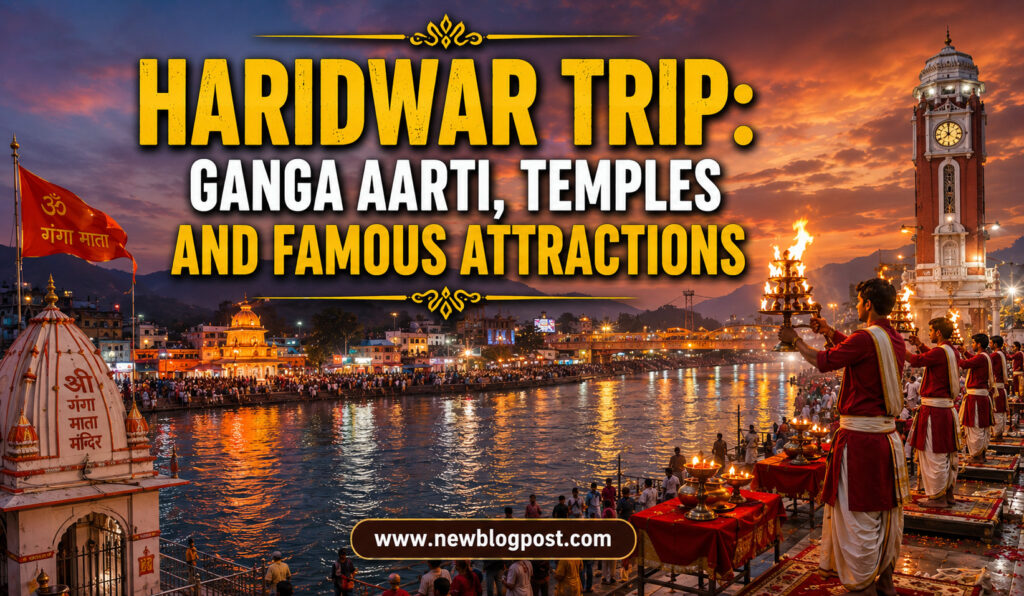

Haridwar is one of India’s most important spiritual destinations and a popular gateway to the Himalayan pilgrimage circuit. Situated along the banks of the Ganga in Uttarakhand, the city attracts pilgrims, families, adventure seekers, photographers and travellers throughout the year. Its sacred ghats, ancient temples, evening Ganga Aarti and proximity to Rishikesh and the Himalayan region make Haridwar a destination that can appeal to many different kinds of travellers.
For devotees, Haridwar is deeply connected with Hindu religious traditions. For other visitors, the city offers an opportunity to experience India’s riverfront culture, historic temples, traditional markets and vibrant festivals. Har Ki Pauri, in particular, has become synonymous with the city’s identity, especially during the famous evening Ganga Aarti.
A Haridwar trip does not need to be rushed. Two or three days are generally enough to experience the major attractions while leaving some time to sit beside the Ganga and enjoy the atmosphere of the city. This travel guide covers the most important places to visit, the Ganga Aarti experience, temples, nearby attractions, travel options, food, accommodation, practical tips and frequently asked questions.
Why Haridwar Is an Important Travel Destination
Haridwar is traditionally regarded as one of India’s major pilgrimage cities. The name is commonly interpreted as a gateway to Hari, referring to Vishnu, while another traditional name, Hardwar, connects the city with Lord Shiva and the Himalayan pilgrimage route.
The city is also one of the locations associated with the Kumbh Mela, making it an important destination in India’s pilgrimage calendar. Millions of devotees can visit during major religious gatherings, transforming the city’s roads, ghats and markets.
The Ganga is central to Haridwar’s identity. Visitors can see pilgrims taking ritual baths, priests conducting ceremonies and families spending time along the riverfront. The combination of religious traditions and everyday city life creates a distinctive atmosphere.
Haridwar is also strategically located for travellers heading towards Rishikesh, Mussoorie and the Char Dham pilgrimage route. This makes it easy to include the city in a wider Uttarakhand itinerary.
Har Ki Pauri: The Heart of Haridwar
The ghat is located along the Ganga and is considered one of the city’s most sacred places.
The name Har Ki Pauri is traditionally associated with Lord Vishnu, while the area is also connected with ancient religious traditions and legends. The Brahma Kund section of the ghat is especially important to pilgrims.
During the day, visitors can observe people bathing in the river, performing prayers and participating in religious rituals. The atmosphere changes dramatically in the evening when preparations begin for the Ganga Aarti.
Har Ki Pauri can become extremely crowded during festivals and weekends. Visitors should remain careful near the river, follow safety instructions and avoid entering areas where bathing may be unsafe because of strong currents.
Ganga Aarti: The Experience That Defines Haridwar
The Ganga Aarti at Har Ki Pauri is one of the city’s most memorable experiences. Every evening, priests perform a ceremonial worship of the Ganga while devotees gather around the ghat.
As the ceremony begins, the atmosphere becomes filled with chants, bells, lamps and devotional music. Rows of illuminated diyas create a striking sight against the river, particularly after sunset.
The exact timing of the aarti changes according to sunrise and sunset, so visitors should confirm the current schedule locally or through official tourism information before planning their evening.
Reaching the ghat early is advisable if you want a good viewing position. During peak periods, the area can become crowded well before the ceremony begins.
Visitors should remember that Ganga Aarti is a religious ceremony rather than simply a tourist performance. Maintaining silence when appropriate, following instructions and avoiding disruptive photography can help preserve the sanctity of the occasion.
Famous Temples to Visit in Haridwar
Haridwar has numerous temples, ranging from major pilgrimage sites to smaller shrines hidden within the city’s busy streets.
Mansa Devi Temple
Mansa Devi Temple is situated on Bilwa Parvat and is one of Haridwar’s most visited temples. The shrine is dedicated to Goddess Mansa Devi, and many devotees visit the temple to offer prayers and seek blessings.
Visitors can reach the hilltop using a ropeway or by taking the traditional walking route. The ropeway provides views of Haridwar and the surrounding landscape, making the journey itself part of the experience.
Chandi Devi Temple
Chandi Devi Temple is located on Neel Parvat and is another important Shakti shrine. Many visitors combine Mansa Devi and Chandi Devi during the same trip. Since both temples involve hill travel, visitors should consider weather and physical comfort when planning the visit.
Daksheshwar Mahadev Temple
Located in Kankhal, Daksheshwar Mahadev Temple is associated with the traditional story of Daksha Prajapati and Goddess Sati. The temple is dedicated to Lord Shiva and is an important religious site in Haridwar.
Kankhal itself has a quieter atmosphere compared with the busy central areas of Haridwar and is worth exploring for travellers interested in religious history.
Bharat Mata Mandir
Bharat Mata Mandir offers a different experience from traditional temple visits. The multi-storey temple is dedicated to the idea of Mother India and contains representations of India’s cultural and spiritual heritage.
It can be included in an extended sightseeing itinerary, particularly for visitors staying in Haridwar for more than a day.
Haridwar’s Connection With Kumbh Mela
Haridwar is one of the four traditional sites where the Kumbh Mela is held. The festival follows a rotational schedule among Haridwar, Prayagraj, Nashik and Ujjain.
During Kumbh, the city experiences an extraordinary increase in visitors. Temporary infrastructure, large-scale security arrangements, religious camps and special transport systems become part of the cityscape.
The scale of the event can be fascinating for travellers interested in India’s religious traditions, but it also means that accommodation, transport and basic sightseeing become significantly more challenging.
Visitors planning a festival trip should make arrangements well in advance and rely on official instructions regarding bathing areas, traffic restrictions and public movement.
Famous Attractions Beyond the Main Ghats
Although Har Ki Pauri is the best-known attraction, Haridwar has several other places worth visiting.
Shantikunj
Shantikunj is a well-known spiritual and cultural centre located in Haridwar. It is associated with the All World Gayatri Pariwar and attracts visitors interested in spiritual learning, meditation and related activities.
The peaceful surroundings make it different from the crowded atmosphere around the central ghats.
Pawan Dham
Pawan Dham is known for its decorative glass and mirror work and religious displays. The temple complex has become a popular stop for visitors exploring Haridwar’s religious attractions.
Sapt Rishi Ashram
Sapt Rishi Ashram is associated with the traditional story of the seven sages, or Sapt Rishis. According to legend, the sages meditated here, and the Ganga divided into seven streams so that their meditation would not be disturbed.
The site offers a quieter atmosphere away from some of Haridwar’s busiest tourist areas.
Rajaji National Park: A Different Side of Haridwar
Travellers who want to experience nature can consider visiting Rajaji National Park, which extends across parts of Uttarakhand and lies close to Haridwar and Rishikesh.
The park is known for its forest landscapes and wildlife, including elephants and other Himalayan foothill species. Safari availability and routes depend on the season and forest department regulations.
A visit to Rajaji provides an interesting contrast to Haridwar’s temple-focused tourism. Instead of ghats and religious ceremonies, visitors experience forests, wildlife and the natural landscape surrounding the city.
Best Time to Visit Haridwar
Haridwar can be visited throughout the year, but the ideal season depends on the type of experience you want.
The months from October to March generally offer pleasant conditions for sightseeing and walking. Winter mornings can be cold, but daytime temperatures are usually comfortable.
April to June can be warmer, particularly during the afternoon. Early mornings and evenings are more suitable for outdoor sightseeing during this period.
The monsoon season can bring heavy rainfall and affect travel plans. River conditions may also change, so visitors should pay attention to local safety instructions.
Festival periods can be particularly attractive for devotees but also bring enormous crowds.
| Season | Travel Experience |
| October–March | Pleasant weather and comfortable sightseeing |
| April–June | Warm to hot afternoons; mornings and evenings preferred |
| July–September | Monsoon; rain may affect outdoor plans |
| Festival periods | Strong religious atmosphere but heavy crowds |
How to Reach Haridwar
Haridwar has excellent rail and road connectivity with several major Indian cities. Haridwar railway station is an important rail gateway for visitors travelling from Delhi, Uttar Pradesh, Rajasthan and other parts of India.
From the airport, travellers can continue to Haridwar by taxi or other road transport.
Road connections are also convenient, particularly from Delhi, Dehradun, Rishikesh and nearby cities.
| Travel Mode | Main Option | Best For |
| Train | Haridwar Railway Station | Long-distance pilgrims and tourists |
| Air | Jolly Grant Airport, Dehradun | Travellers arriving from distant cities |
| Road | Delhi–Haridwar and regional highways | Families and road-trip travellers |
Travellers should check current train, flight and road conditions before departure because schedules and traffic conditions can change.
Suggested Two-Day Haridwar Itinerary
Two days are enough to cover the major attractions without making the trip unnecessarily rushed.
Day 1: Temples and Ganga Aarti
Begin the morning with a visit to Mansa Devi Temple. After returning to the city, explore the local markets and visit Har Ki Pauri.
In the evening, reach Har Ki Pauri early for the Ganga Aarti. After the ceremony, explore the illuminated riverfront and nearby markets.
Day 2: Chandi Devi and Kankhal
Start with Chandi Devi Temple before the afternoon heat becomes stronger. Later, explore Kankhal and visit Daksheshwar Mahadev Temple.
The remaining time can be used for Shantikunj, Sapt Rishi Ashram or a relaxed walk near the Ganga.
Travellers staying for a third day can consider a nature excursion towards Rajaji National Park or a nearby trip to Rishikesh.
Food to Try in Haridwar
Haridwar’s food culture is strongly influenced by its religious character, and vegetarian food dominates the city’s popular eateries.
Visitors can try North Indian snacks, aloo puri, kachori, jalebi, lassi, sweets and various vegetarian thalis. The markets around Har Ki Pauri are particularly active in the morning and evening.
Travellers should choose hygienic restaurants and food stalls, particularly when trying street food. Drinking safe water is also important during summer and monsoon travel.
Haridwar is also a good place to experience simple traditional vegetarian meals rather than searching only for familiar restaurant chains.
Shopping in Haridwar
The markets around Har Ki Pauri are popular with pilgrims looking for religious souvenirs and traditional products. Visitors can find prayer items, idols, rudraksha products, small brass objects, religious books, decorative items and local sweets.
Bargaining may be possible in some shops, but visitors should compare prices before making purchases.
Shopping is best treated as part of the overall pilgrimage experience rather than the primary attraction.
Accommodation in Haridwar
Haridwar has accommodation options ranging from budget guest houses and dharamshalas to mid-range hotels and larger properties.
Staying near Har Ki Pauri can be convenient for visitors who want easy access to the Ganga Aarti and central markets. However, the surrounding area can become extremely busy, especially during festivals.
Travellers looking for quieter accommodation may prefer areas slightly away from the central pilgrimage zone while still remaining within easy reach of the main attractions.
During Kumbh Mela, Kanwar Yatra periods and major festivals, accommodation demand can rise sharply. Advance booking is strongly recommended during these periods.
Important Tips for First-Time Visitors
A Haridwar trip is generally straightforward, but the city can become crowded and congested. Visitors should plan their daily schedule around the busiest periods and avoid unnecessary rushing.
Keep these practical points in mind:
- Wear comfortable footwear because temple and ghat visits involve walking.
- Keep valuables secure in crowded markets and pilgrimage areas.
- Follow safety instructions near the Ganga and never enter restricted river sections.
- Check current temple and Ganga Aarti timings before visiting.
- Respect local religious customs and avoid disruptive photography.
Visitors should also be careful when accepting services from unofficial guides or individuals offering special religious arrangements. Using recognised service providers can reduce unnecessary complications.
Haridwar With Rishikesh: A Popular Combination
Many travellers combine Haridwar and Rishikesh because the two destinations are relatively close and offer different experiences.
Haridwar focuses strongly on pilgrimage, temples and traditional riverfront ceremonies. Rishikesh is also spiritual but is better known for yoga, meditation, ashrams, adventure activities and its Himalayan foothill setting.
A three- or four-day itinerary can therefore include both cities. Visitors can begin with Haridwar’s temples and Ganga Aarti before travelling to Rishikesh for river views, yoga experiences and outdoor activities.
Final Thoughts
Haridwar offers a travel experience built around the Ganga, spirituality and centuries-old traditions. Har Ki Pauri and the evening Ganga Aarti are undoubtedly the city’s defining attractions, but the experience becomes richer when visitors explore its temples, markets, riverfront and quieter spiritual centres.
A two-day itinerary can cover the main highlights, while an additional day allows travellers to explore Rajaji National Park or continue towards Rishikesh. Choosing the right season, booking accommodation early during peak periods and checking current temple schedules can make the journey much more comfortable.
What makes Haridwar special is the way everyday life and religious tradition exist side by side. A morning beside the Ganga, a visit to an ancient temple and an evening surrounded by hundreds of glowing lamps can create a travel experience that stays with visitors long after they leave.
Whether the purpose is pilgrimage, family travel, cultural exploration or simply a peaceful break beside the Ganga, Haridwar remains one of India’s most memorable spiritual destinations.
Frequently Asked Questions About Haridwar Trip
How many days are enough for Haridwar?
Two days are generally enough to visit Har Ki Pauri, experience the Ganga Aarti and explore major temples. A third day is useful for nearby attractions or a Rishikesh extension.
What is Haridwar most famous for?
Haridwar is best known for Har Ki Pauri, the Ganga Aarti, its temples, the sacred Ganga River and its association with the Kumbh Mela.
What is the best time to visit Haridwar?
October to March is generally comfortable for sightseeing. Festival periods offer a more energetic religious atmosphere but can be extremely crowded.
Where can I watch Ganga Aarti in Haridwar?
Har Ki Pauri is the city’s most famous location for the evening Ganga Aarti. Visitors should check the current timing and reach early for a good viewing position.
Is Haridwar suitable for a family trip?
Yes. Haridwar is a popular family pilgrimage destination. Families should take additional care around crowded ghats and the river, particularly when travelling with children or elderly members.
Can Haridwar and Rishikesh be covered together?
Yes. The two destinations are commonly combined in the same trip. A three- or four-day itinerary can provide enough time to experience the major attractions of both cities.