
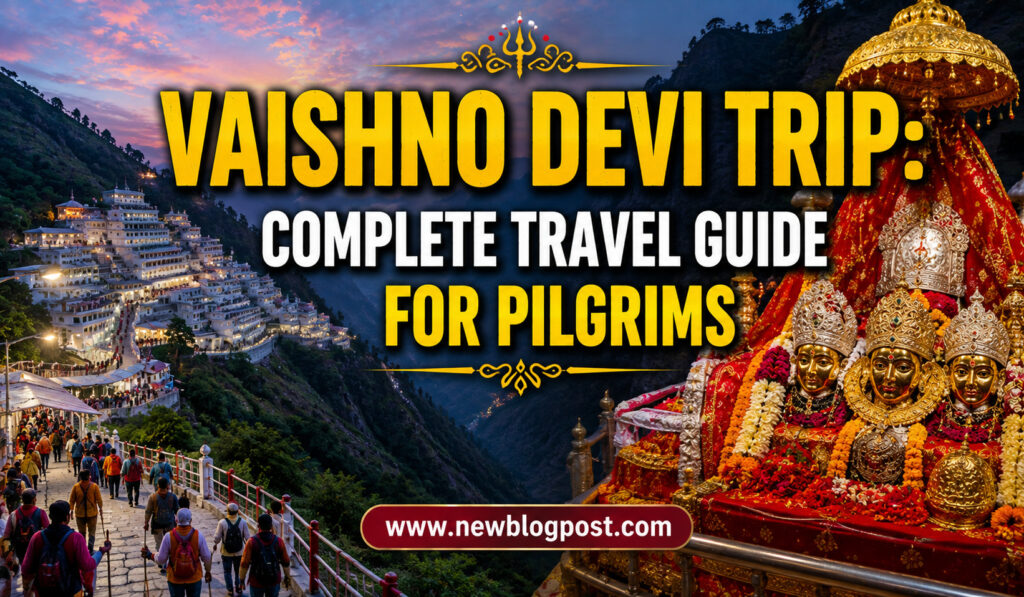

Vaishno Devi is one of India’s most revered pilgrimage destinations, attracting millions of devotees to the Trikuta Hills of Jammu and Kashmir every year. Located near Katra in the Reasi district, the holy shrine is dedicated to Mata Vaishno Devi and is considered one of the most important Shakti pilgrimage sites in the country.
Unlike many temple journeys where visitors can reach the shrine directly by road, a Vaishno Devi pilgrimage involves travelling from Katra towards the Bhawan, the main shrine area, through a mountain route. The journey itself has become an important part of the pilgrimage, with devotees walking through the hills while chanting devotional slogans and prayers.
Modern facilities have made the pilgrimage more accessible than in the past. Battery-operated vehicles, helicopter services, ponies, palkis, improved pathways, accommodation and medical facilities are available at different points, subject to operational conditions and official regulations. However, the journey can still be physically demanding, particularly for elderly pilgrims and first-time visitors.
This complete Vaishno Devi travel guide explains the pilgrimage route, registration process, best time to visit, travel options, accommodation, nearby attractions, practical tips and frequently asked questions.
Why Vaishno Devi Is an Important Pilgrimage
According to Hindu tradition, Mata Vaishno Devi is regarded as a manifestation of the divine feminine. The shrine is located inside a sacred cave in the Trikuta Mountains, and devotees traditionally visit the holy cave to seek the blessings of Mata Vaishno Devi.
The pilgrimage begins in Katra, which serves as the main base town. From Katra, devotees travel approximately 12 to 13 kilometres to reach Bhawan, depending on the route and destination point. The journey passes through several important locations and facilities.
For many pilgrims, the walk to the shrine is as meaningful as the darshan itself. People from different parts of India travel together, often beginning their journey during the night so they can reach Bhawan around sunrise or avoid the warmer daytime conditions.
The pilgrimage is therefore not simply a tourist journey. It combines physical effort, religious faith and the experience of travelling through the Himalayan foothills.
Katra: The Starting Point of the Yatra
Katra is the main gateway for pilgrims visiting Vaishno Devi. The town has developed around the needs of visitors, with hotels, guest houses, restaurants, markets, transport facilities and medical services.
Before beginning the trek, pilgrims generally complete the required registration process and obtain the Yatra access document as per the current rules of the Shri Mata Vaishno Devi Shrine Board.
Katra is also a useful place to rest and prepare for the mountain journey. Pilgrims can purchase walking sticks, footwear, rain protection, snacks and other essentials before beginning the trek.
The town itself has a busy but devotional atmosphere, particularly during Navratri and other peak pilgrimage periods.
Vaishno Devi Yatra Registration
The Shri Mata Vaishno Devi Shrine Board manages the pilgrimage arrangements and provides official information regarding registration, accommodation, travel services and other facilities.
Pilgrims should use official channels for the latest requirements because procedures can change. The Shrine Board provides online services through its official website and mobile application.
After completing the required registration, pilgrims should keep their Yatra registration information safely available throughout the journey. Security checks and verification may take place at different points.
Travellers should avoid relying on unofficial agents who claim to provide special access or guaranteed arrangements.
The Trek From Katra to Bhawan
The traditional route from Katra to Bhawan is around 12–13 kilometres. The pathway has been developed with shelters, drinking water points, toilets, medical facilities and resting areas to support pilgrims.
The trek is uphill for significant sections, so even relatively fit travellers should pace themselves. There is no need to complete the journey quickly. Taking regular breaks can make the experience much more comfortable.
The route is generally lively, with pilgrims walking throughout the day and night. Food stalls and refreshment points are available along the way, although travellers should still carry essential water and personal supplies.
Weather can change in the hills, so travellers should be prepared for temperature differences, rain and cooler conditions at higher elevations.
Important Stops on the Pilgrimage Route
The journey from Katra to Bhawan includes several well-known points. Banganga is one of the first major locations encountered after beginning the pilgrimage. It has religious significance and is traditionally associated with Mata Vaishno Devi.
Adhkuwari is another important point on the route. The location is associated with the Garbh Joon cave and is an important place for devotees. The route also passes through Himkoti, which has become an important stopping point and offers views of the surrounding hills.
The exact experience can vary depending on the route, crowd conditions and facilities operating on the day of travel.
The Holy Cave and Bhawan
Bhawan is the main shrine area and the destination of the pilgrimage. Inside the sacred cave, devotees traditionally worship the three Pindies representing the manifestations of the Divine Mother.
The natural cave and its spiritual significance are central to the Vaishno Devi pilgrimage. The shrine is not simply an architectural structure; its importance comes from the religious tradition surrounding the holy cave.
Visitors should follow all security instructions and temple rules while approaching the Bhawan. During peak periods, queues can become long, so pilgrims should be prepared to spend additional time in the shrine area.
The Shrine Board periodically changes arrangements according to crowd levels and operational requirements. Checking current information before the journey is therefore essential.
Bhairon Temple: An Important Part of the Pilgrimage
Bhairon Temple is located at a higher point beyond Bhawan and is traditionally considered an important part of the Vaishno Devi pilgrimage.
After completing darshan at the main shrine, many devotees continue towards Bhairon Temple. The route involves additional uphill and downhill travel, although modern facilities have made access easier.
The Bhairon Valley area also provides impressive views of the surrounding mountains. The ropeway connecting Bhawan and Bhairon is an important facility for pilgrims who may find the additional trek difficult, subject to current operation and availability.
Visitors should check the latest Shrine Board information before relying on the ropeway because services can be affected by weather or operational conditions.
Helicopter Service to Sanjichhat
Helicopter services are available between Katra and Sanjichhat, subject to weather, operational conditions and ticket availability. Sanjichhat is relatively close to Bhawan compared with the full trekking route.
For elderly pilgrims or visitors who cannot comfortably undertake the complete trek, helicopter travel can reduce the physical effort required. However, passengers still need to travel between Sanjichhat and Bhawan.
Tickets should be booked through official channels whenever possible. Pilgrims should also understand cancellation and weather-related policies before making payment.
Battery Cars, Ponies and Palkis
The Shrine Board and authorised operators provide different mobility options for pilgrims. Battery-operated vehicles operate on designated sections, while ponies and palkis are available subject to regulations and route conditions.
These services can be particularly useful for elderly visitors, children and people who find long-distance walking difficult.
However, availability may vary according to the route, weather and crowd conditions. Pilgrims should use authorised services and avoid unofficial operators.
Best Time to Visit Vaishno Devi
Vaishno Devi can be visited throughout the year, but weather and crowd levels significantly affect the experience.
The spring and autumn months are generally comfortable for trekking. Navratri periods attract particularly large numbers of devotees and create a vibrant spiritual atmosphere, but accommodation and transport demand can increase considerably.
Summer can be relatively comfortable in Katra but conditions may vary in the mountains. Monsoon brings rain and possible disruptions, while winter can be cold, with the possibility of snow or icy conditions at higher elevations.
| Season | What Pilgrims Can Expect |
| March–May | Pleasant conditions with gradually increasing temperatures |
| June–August | Warmer in Katra; monsoon rain can affect travel |
| September–November | Comfortable weather; festival periods may be crowded |
| December–February | Cold conditions; possible winter weather at higher elevations |
Pilgrims should check the latest weather forecast and Shrine Board advisories before travelling, especially during monsoon and winter.
How to Reach Katra
Katra is well connected by rail and road. Shri Mata Vaishno Devi Katra railway station is a major gateway for pilgrims arriving by train and is connected with several important Indian cities.
Jammu Airport is the nearest major airport for travellers arriving by air. From Jammu, visitors can continue towards Katra by road.
Road connectivity is also available from Jammu, Srinagar and several cities in North India. Travellers coming from Delhi, Punjab, Haryana or Himachal Pradesh often choose road or rail depending on convenience.
| Travel Mode | Main Gateway | Suitable For |
| Train | Shri Mata Vaishno Devi Katra Railway Station | Long-distance pilgrims |
| Air | Jammu Airport | Travellers arriving from distant cities |
| Road | Jammu–Katra highway and regional roads | Families and group travellers |
Transport schedules can change, so checking current availability before departure is recommended.
Accommodation in Katra and Bhawan
Katra offers accommodation across several price ranges, including budget hotels, guest houses, dharamshalas and premium properties. Staying in Katra the night before the pilgrimage can be convenient because it allows travellers to begin the journey early.
The Shrine Board also provides accommodation facilities at different locations, subject to availability and booking rules.
Pilgrims who intend to stay near Bhawan or other points along the route should check the current accommodation options through official sources. Demand increases substantially during Navratri, holidays and weekends.
Advance booking is particularly important for families and larger groups.
Food During the Yatra
Vegetarian food is widely available in Katra and along the pilgrimage route. Pilgrims can find simple meals, snacks, tea, packaged food and refreshments at designated locations.
Since the trek involves physical effort, travellers should avoid overeating before beginning the journey. Light meals and regular hydration can be more comfortable.
Travellers should also carry personal medicines and follow any dietary requirements they may have. During long walks, small snacks can be useful for maintaining energy.
A Suggested Two-Day Vaishno Devi Plan
A two-day trip can work well for travellers who want to complete the pilgrimage without rushing.
Day 1
Arrive in Katra, complete the necessary registration and settle into accommodation. Spend the remaining time resting and preparing for the yatra. Travellers can begin the pilgrimage later in the evening or early the following morning depending on personal preference and current conditions.
Day 2
Complete the journey to Bhawan, take darshan and, if possible, continue to Bhairon Temple. Return towards Katra after completing the pilgrimage.
Travellers with limited physical stamina should consider extending the schedule rather than trying to complete every section in a single day.
Important Tips for First-Time Pilgrims
A little preparation can significantly improve the Vaishno Devi experience. The journey is physically demanding, and mountain weather can change quickly.
Keep these practical points in mind:
- Wear comfortable walking shoes with good grip.
- Carry a light jacket or rain protection depending on the season.
- Keep your registration documents and identification safely accessible.
- Drink water regularly but avoid carrying an unnecessarily heavy bag.
- Follow official instructions regarding security, routes and restricted areas.
- Use authorised transport and pony or palki services.
- Allow additional time during festivals and weekends.
Pilgrims travelling with elderly family members should plan additional breaks and consider available mobility services rather than assuming that everyone will be comfortable with the full trek.
Vaishno Devi With Family
The pilgrimage can be a memorable family experience, but the mountain journey requires planning. Children who are accustomed to walking may enjoy the journey, while very young children may require additional support.
Senior citizens should assess their physical comfort before choosing the traditional trek. Battery cars, ponies, palkis and helicopter services can provide alternatives depending on availability.
Families should also avoid carrying excessive luggage. A lighter backpack makes the uphill journey considerably easier.
Nearby Places to Visit
Travellers staying in the region for a few additional days can explore destinations around Katra and Jammu.
Patnitop is a popular hill destination known for its mountain scenery and cooler climate. Shiv Khori is another important religious site in the wider Jammu region, associated with Lord Shiva and a naturally formed cave shrine.
Jammu city itself offers several attractions, including temples, historic sites and local markets. Combining these destinations with Vaishno Devi can turn a pilgrimage into a broader Jammu travel itinerary.
Vaishno Devi During Navratri
Navratri is among the busiest periods at Vaishno Devi. Devotees from across India travel to the shrine during the festival, creating a powerful atmosphere of prayer and celebration.
The increased visitor numbers also mean longer queues, greater demand for accommodation and heavier traffic around Katra.
Pilgrims who specifically want to experience Navratri should make reservations well in advance and remain flexible about their schedule. Those seeking a quieter journey may prefer visiting outside major festival periods.
Final Thoughts
A Vaishno Devi trip is much more than a visit to a temple. The journey from Katra through the Trikuta Hills, the long walk towards Bhawan and the eventual darshan create a pilgrimage experience shaped by both faith and physical effort.
Modern facilities have made the journey more accessible, but preparation remains important. Choosing comfortable footwear, checking the weather, completing registration correctly and planning accommodation in advance can make a significant difference.
For first-time pilgrims, two or three days provide enough time to complete the journey without unnecessary pressure. Travellers who want to explore Jammu and nearby destinations can extend their trip further.
Whether you travel with family, friends or as part of a pilgrimage group, Vaishno Devi offers an experience that combines spirituality, mountain scenery and a strong sense of community. The sight of thousands of devotees making their way towards Bhawan is a reminder of the enduring faith that has made Vaishno Devi one of India’s most important pilgrimage destinations.
Frequently Asked Questions About Vaishno Devi Trip
How far is Vaishno Devi from Katra?
The traditional pilgrimage route from Katra to Bhawan is approximately 12–13 kilometres, although the exact walking distance can vary depending on the route and facilities used.
What is the best time to visit Vaishno Devi?
March to May and September to November are generally comfortable periods for the pilgrimage. However, devotees should check weather conditions and current Shrine Board advisories before travelling.
Is helicopter service available for Vaishno Devi?
Helicopter services operate between Katra and Sanjichhat, subject to weather, availability and operational conditions. Pilgrims still need to travel from Sanjichhat towards Bhawan.
Can senior citizens visit Vaishno Devi?
Yes. Many senior citizens undertake the pilgrimage, but the physical demands should be considered carefully. Helicopter services, battery cars, ponies and palkis may provide alternatives depending on current availability and eligibility.
Is registration required for the Vaishno Devi Yatra?
Pilgrims need to follow the current registration and access requirements established by the Shri Mata Vaishno Devi Shrine Board. Requirements can change, so visitors should check the official information before travelling.