
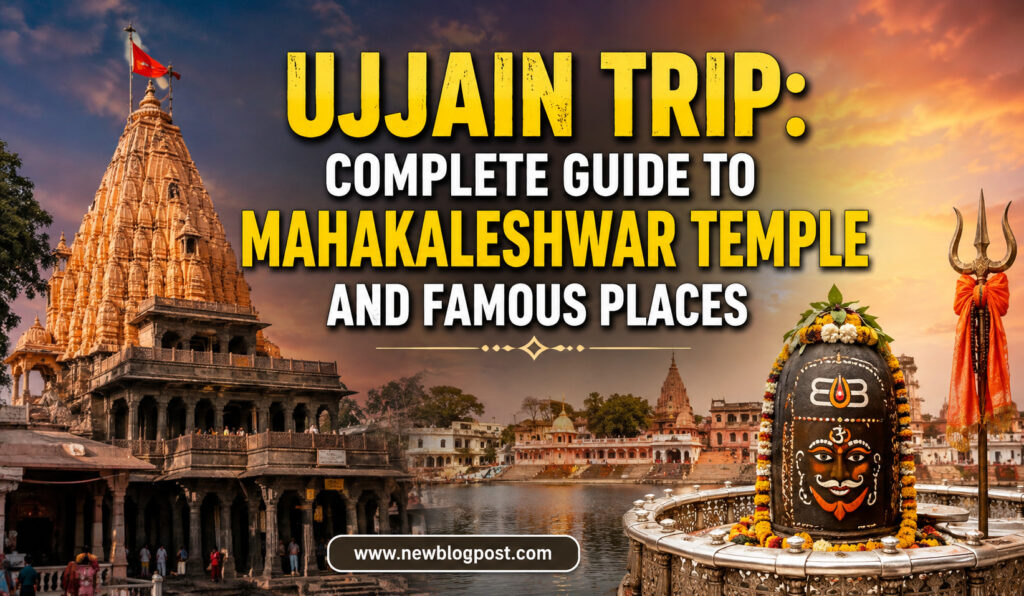

Mahakaleshwar Temple and Famous Places
Ujjain is one of India’s most fascinating spiritual destinations, where ancient temples, mythology, history and the everyday rhythm of a modern city come together. Located on the banks of the sacred Shipra River in Madhya Pradesh, the city attracts pilgrims, history lovers and travellers throughout the year. For many visitors, the main reason to come here is the revered Mahakaleshwar Temple, one of the twelve Jyotirlingas of Lord Shiva. But Ujjain offers much more than a single temple. Its ghats, ancient shrines, observatory, religious corridors and legendary sites make it an ideal destination for a short spiritual getaway.
The city is also closely associated with India’s ancient traditions of astronomy, Sanskrit literature and Hindu pilgrimage. Ujjain has long held an important place in Indian history and is popularly known as the city of Mahakal. A trip here can therefore be both devotional and cultural, allowing travellers to experience centuries-old traditions while exploring a lively Madhya Pradesh city.
Why Ujjain Should Be on Your Travel List
Ujjain has a distinct character that separates it from many other pilgrimage destinations. The atmosphere around the Mahakaleshwar Temple begins early in the morning, while the banks of the Shipra River become especially atmospheric around sunrise and sunset. Religious ceremonies, temple bells and the movement of pilgrims are a regular part of the city’s daily life.
The city is also historically important. Ujjain is associated with ancient Indian astronomy and literature, while its temples reflect architectural influences from different periods. The Madhya Pradesh Tourism department highlights attractions such as Mahakaleshwar, Kal Bhairav, Harsiddhi Temple, Mangalnath Temple, Ram Ghat, Sandipani Ashram and Ved Shala among the city’s major places of interest.
For travellers planning a weekend trip, Ujjain can be covered comfortably in two or three days. However, visitors who want to explore the city slowly and experience its temples and evening atmosphere may prefer a longer stay.
Mahakaleshwar Temple: The Spiritual Heart of Ujjain
The Mahakaleshwar Jyotirlinga Temple is undoubtedly the centrepiece of any Ujjain trip. Dedicated to Lord Shiva, it is one of the twelve Jyotirlingas and is particularly significant because the Mahakal Jyotirlinga is south-facing. The official Ujjain district website describes the deity as a swayambhu, or self-manifested, form of Shiva.
The temple’s religious importance is closely connected with the idea of Mahakal as the lord of time. According to traditional accounts, Lord Shiva appeared in Ujjain to protect devotees and remained here in the form of Mahakaleshwar. Over the centuries, the shrine has been rebuilt and developed under different rulers, giving the present temple complex a distinctive architectural character.
The temple’s structure also reflects several architectural influences, including Bhoomija, Chalukya and Maratha styles. The temple complex has multiple levels, with the sacred Mahakal Jyotirlinga located at the lowest level. Above it is the Omkareshwar shrine, while the Nagchandreshwar shrine is opened for devotees on Nag Panchami.
Bhasma Aarti: A Unique Spiritual Experience
One of the biggest attractions at Mahakaleshwar is the famous Bhasma Aarti. The early-morning ritual is deeply associated with the identity of the temple and draws devotees who want to experience one of Ujjain’s most important religious traditions.
The ritual takes place in the early morning and involves the sacred offering of ash to Lord Shiva. Because of its popularity, visitors planning to attend should check the latest official booking rules and availability before travelling. The temple’s official website provides online services for Bhasma Aarti, various aartis, darshan and pujan bookings.
Travellers should also remember that temple procedures, entry arrangements and booking requirements can change, especially during major festivals and peak pilgrimage periods. Checking official information shortly before the journey is therefore a good idea.
Mahakal Lok: A Modern Addition to an Ancient Pilgrimage
A visit to Mahakaleshwar is now often combined with a walk through Mahakal Lok Corridor. The corridor has transformed the visitor experience around the temple by creating a large pedestrian-friendly cultural and spiritual space.
Mahakal Lok features sculptures, murals, decorated pillars and representations connected with Hindu mythology. The atmosphere becomes particularly attractive after sunset when the corridor is illuminated. According to Incredible India, the corridor currently allows visitors from 6 AM, with the last entry closing at 10 PM before the Shayan Aarti period, and there is no entry fee for exploring the corridor.
For travellers, the corridor offers an opportunity to appreciate Ujjain’s religious storytelling through large-scale visual installations rather than simply visiting a temple and leaving.
Famous Places to Visit in Ujjain
While Mahakaleshwar remains the main attraction, Ujjain’s spiritual identity is spread across several important locations.
Kal Bhairav Temple
The Kal Bhairav Temple is one of the city’s most distinctive religious sites. Dedicated to Kal Bhairav, regarded in the Shaivite tradition as chief among the eight Bhairavas, the temple has a long association with Ujjain’s religious history.
One of the temple’s most unusual traditions is the offering of liquor to the deity. This ritual is part of the temple’s established religious practice and is one of the reasons the shrine stands out among Ujjain’s many temples. The Ujjain district administration also records the temple’s connection with ancient religious traditions and the Shipra region.
Harsiddhi Temple
The Harsiddhi Temple is another important spiritual destination. The temple is particularly recognizable for its tall lamp pillars, which create a striking sight when illuminated during religious occasions.
Its location makes it convenient to combine with a visit to the Mahakaleshwar area. The temple’s history and Maratha-period architecture add another layer to Ujjain’s diverse heritage.
Ram Ghat
If the temples represent Ujjain’s spiritual core, Ram Ghat represents its connection with the Shipra River. It is one of the city’s most famous ghats and an important location for religious bathing and ceremonies.
Ram Ghat becomes especially significant during Simhastha, the Ujjain Kumbh Mela, which takes place every twelve years. Travellers visiting outside the festival period can still enjoy the peaceful atmosphere of the riverfront, particularly around sunrise and evening.
Mangalnath Temple
Mangalnath Temple is another popular stop for visitors exploring Ujjain’s religious heritage. According to local tradition, the site is associated with Lord Mangalnath and is considered a spiritually significant location. Madhya Pradesh Tourism describes the temple as a place offering peaceful surroundings and views.
Sandipani Ashram
For travellers interested in mythology and ancient learning traditions, Sandipani Ashram is worth including in the itinerary. It is traditionally believed to be the place where Lord Krishna, Sudama and Balarama studied under Guru Sandipani.
The site provides a different experience from the grand temples of central Ujjain. Instead of focusing primarily on elaborate architecture, it connects visitors with the city’s mythological and educational traditions.
Ved Shala
Ujjain’s heritage is not limited to religion. Ved Shala, also known as the Jantar Mantar of Ujjain, highlights the city’s historical connection with astronomy.
The observatory was built by Maharaja Jai Singh II in 1725 and contains astronomical instruments that were used for observations and calculations. It is an interesting stop for travellers who want to understand why Ujjain held such an important position in India’s historical astronomical traditions.
Suggested Ujjain Travel Plan
A two-day trip is enough to cover the major attractions without making the journey excessively rushed.
| Day | Suggested Experience |
| Day 1 | Mahakaleshwar Temple, Mahakal Lok, Harsiddhi Temple, Ram Ghat |
| Day 2 | Kal Bhairav Temple, Mangalnath Temple, Sandipani Ashram, Ved Shala and local markets |
If your main objective is the Mahakaleshwar Temple and Bhasma Aarti, it is better to organize the first morning around the temple rather than trying to fit several sightseeing locations into the same time slot.
How to Reach Ujjain
Ujjain is well connected to several major cities in central and western India. The city has its own railway station, Ujjain Junction, which is connected to major destinations by train.
For air travellers, Devi Ahilyabai Holkar Airport in Indore is the nearest major airport. The official Ujjain district website places the airport around 53 km from Ujjain. Regular road connections also link the city with Indore, Bhopal and several other destinations in Madhya Pradesh.
The most suitable transport option depends on where you are travelling from. Train travel can be convenient for pilgrims arriving from major cities, while visitors already exploring Madhya Pradesh may find road travel more practical.
Best Time to Visit Ujjain
Ujjain can be visited throughout the year, but the experience varies significantly with the season. The cooler months from roughly October to March are generally comfortable for sightseeing and walking between attractions.
The monsoon season can bring a different atmosphere to the city, particularly around the Shipra River, although rain may affect outdoor plans. Summer can be hot, making early morning and evening the more comfortable periods for sightseeing.
Festival periods can be particularly crowded. Mahashivratri and the Shravan season attract large numbers of devotees, while Simhastha is an enormous pilgrimage event held once every twelve years. Madhya Pradesh Tourism states that the next Simhastha in Ujjain is scheduled for 2028.
Travellers who prefer a quieter experience may want to avoid major festival dates and plan their visit during regular pilgrimage periods.
Important Tips for a Comfortable Ujjain Trip
A little preparation can make a major difference when visiting Ujjain. Since several attractions are religious sites, visitors should dress respectfully and follow the rules displayed at each temple. Comfortable footwear is also useful because the trip can involve considerable walking.
Keep these practical points in mind:
- Check official temple booking and darshan information before travelling.
- Start sightseeing early, especially during warmer months.
- Keep some time aside for the Shipra River ghats and Mahakal Lok.
- Follow temple photography, security and dress regulations.
- Carry drinking water and basic essentials during long sightseeing sessions.
It is also worth keeping some flexibility in the schedule. Temple queues and crowd levels can change quickly during weekends, holidays and religious festivals.
Food and Local Shopping in Ujjain
A Ujjain trip is incomplete without experiencing its local food culture. Visitors can find traditional Madhya Pradesh snacks, poha, jalebi, kachori and other vegetarian preparations around the city’s busy markets and temple areas.
The markets around the old city are also useful for buying religious souvenirs, small idols, prayer items, rudraksha-related products and traditional handicrafts. Shopping is best treated as part of the overall experience rather than the primary purpose of the trip.
Travellers should compare prices before buying religious or souvenir items, particularly in crowded tourist areas.
Why Ujjain Is More Than a Temple Destination
The biggest mistake a first-time visitor can make is treating Ujjain as a destination that begins and ends with Mahakaleshwar. The city is much broader than that.
Its identity has been shaped by temples, mythology, astronomy, literature, rivers and centuries of pilgrimage. A morning at Mahakaleshwar, an afternoon visiting Kal Bhairav and Mangalnath, and an evening near Ram Ghat can provide very different experiences within the same city.
Ujjain also demonstrates how an ancient pilgrimage centre can evolve without losing its traditional character. The Mahakal Lok development has introduced new visitor infrastructure and visual experiences while the historic temples and rituals continue to remain at the centre of the city’s identity.
Final Thoughts
Ujjain is a destination where spirituality and history naturally blend into everyday life. The Mahakaleshwar Temple gives the city its strongest identity, but the experience becomes much richer when travellers explore its surrounding temples, ancient ghats, astronomical heritage and mythological sites.
From the early-morning atmosphere surrounding Mahakaleshwar to the peaceful banks of the Shipra and the illuminated Mahakal Lok in the evening, Ujjain offers experiences that stay with visitors long after the journey ends. Whether you are travelling for pilgrimage, history, culture or simply looking for a meaningful weekend escape, Ujjain provides a memorable introduction to the spiritual heritage of Madhya Pradesh.
For the latest temple services and booking information, travellers should use the official Mahakaleshwar Temple website before their journey.
Frequently Asked Questions About Ujjain Trip
How many days are enough for a Ujjain trip?
Two days are generally enough to visit Mahakaleshwar and several major attractions. Travellers interested in exploring the city at a relaxed pace can plan for three days.
What is Ujjain famous for?
Ujjain is best known for the Mahakaleshwar Jyotirlinga, but it is also famous for Kal Bhairav Temple, Harsiddhi Temple, Ram Ghat, Mangalnath Temple, Sandipani Ashram, Ved Shala and the Simhastha festival.
Is Bhasma Aarti available every day?
Bhasma Aarti is a daily ritual at Mahakaleshwar. However, devotees should check the temple’s official website for current booking procedures, eligibility requirements and availability before planning their visit.
How far is Ujjain from Indore Airport?
The nearest major airport is Devi Ahilyabai Holkar Airport in Indore, approximately 53 km from Ujjain according to the district administration’s tourism information.
When is the next Simhastha in Ujjain?
The next Simhastha is scheduled for 2028. The event is held once every twelve years and attracts huge numbers of pilgrims to the Shipra River and the city’s major religious sites.
Is Mahakal Lok worth visiting?
Yes. Mahakal Lok adds a modern cultural and visual dimension to the traditional Mahakaleshwar pilgrimage, with sculptures, murals, decorated pillars and evening illumination.