
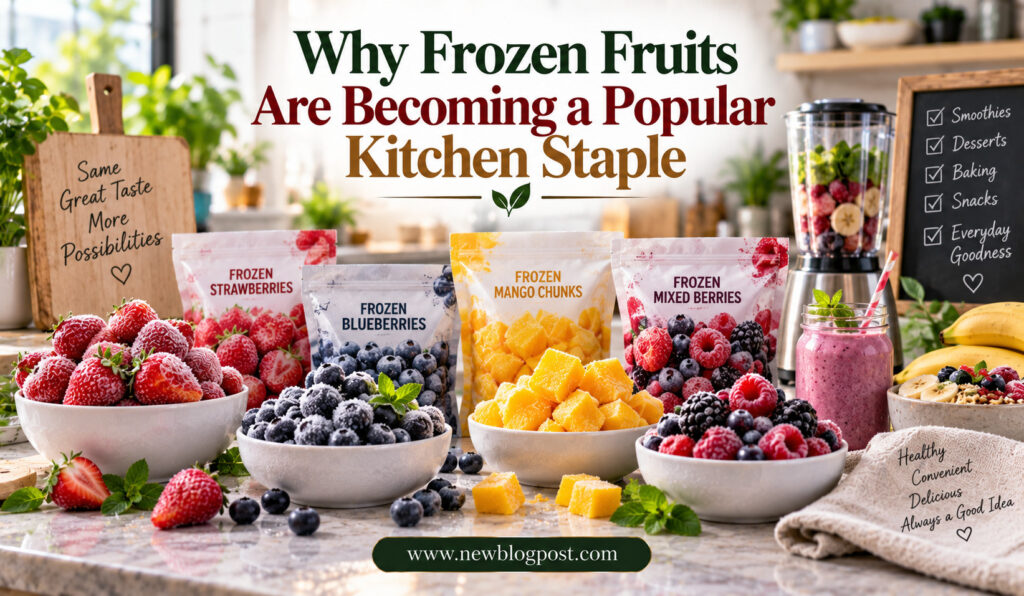

Frozen fruits are moving from the freezer aisle to the everyday kitchen as more consumers look for convenient ways to include fruit in their meals. Once viewed mainly as an alternative to fresh produce, frozen berries, mangoes, pineapple, cherries and mixed fruit packs are increasingly being used for breakfast, desserts, smoothies and quick snacks.
The shift reflects changing lifestyles. Busy work schedules, smaller households and growing interest in practical meal preparation have made convenience an important part of grocery shopping. At the same time, consumers continue to look for nutritious foods that can be stored for longer periods without creating unnecessary waste.
Frozen fruit offers a combination of convenience and flexibility. It can remain in the freezer for an extended period, can be used when needed and does not require the same immediate consumption window as many fresh fruits. This has helped turn frozen produce into a regular kitchen ingredient rather than an occasional purchase.
Convenience Is Driving the Frozen Fruit Trend
One of the biggest reasons for the growing popularity of frozen fruits is simple convenience. Fresh fruit often needs to be purchased regularly, washed, cut and consumed before it becomes overripe. Frozen fruit removes several of these steps.
Consumers can take a portion from a frozen packet, return the rest to the freezer and use it later. This makes it particularly useful for people who do not have time to visit grocery stores frequently.
For families, frozen fruit can also provide an easy backup option. If fresh produce is unavailable or out of season, frozen alternatives can be used for smoothies, desserts or cooked recipes without requiring extensive preparation.
This convenience has become especially relevant as home cooking evolves. People are looking for ingredients that can fit into quick breakfasts and simple meals rather than requiring lengthy preparation.
Longer Storage Can Help Reduce Food Waste
Food waste is another factor supporting the frozen fruit market. Fresh fruits can spoil quickly when households purchase more than they can consume. Bananas may become overripe, berries can soften rapidly and cut fruit can lose quality after a short period.
Freezing provides a way to extend the usable life of fruit. Instead of throwing away fruit that might otherwise go unused, consumers can store frozen portions and use them when required.
This does not mean frozen fruit eliminates food waste completely. Poor storage, freezer burn and buying more than necessary can still create waste. However, the longer storage period can give consumers more flexibility.
For households trying to manage grocery expenses, this can also be useful. A packet of frozen fruit can remain available for future meals instead of requiring immediate consumption.
Nutritional Value Is Part of the Appeal
Health-conscious consumers are another important audience for frozen fruit. Fruit is widely recognized as a source of dietary fiber, vitamins, minerals and naturally occurring plant compounds. Frozen options can make it easier to keep fruit available throughout the year.
The freezing process itself does not necessarily mean that fruit loses all of its nutritional value. Commercially frozen fruits are generally processed and frozen relatively soon after harvesting, which can help preserve many nutrients.
However, consumers should look at the product label. Plain frozen fruit is different from products that contain added sugar, syrups or other ingredients.
For everyday use, simple frozen fruit without added sweeteners can be incorporated into a variety of meals.
Smoothies Are Helping Drive Demand
Smoothies have become one of the most visible uses for frozen fruit. Frozen berries, mango, pineapple and mixed fruit can create a chilled texture without requiring large amounts of ice.
For people preparing breakfast before work or college, frozen fruit can make smoothie preparation quick. It can be combined with milk, yogurt, water or plant-based beverages, depending on personal preference.
Frozen fruit is also useful because consumers can keep several varieties in the freezer and combine them according to taste. A berry mix can be used one morning, while mango or pineapple can become the base of another drink.
This versatility has helped frozen fruit become part of meal-preparation routines rather than simply a replacement for fresh fruit.
Frozen Fruit Is Finding New Uses in Home Cooking
The use of frozen fruit is no longer limited to smoothies. Home cooks are experimenting with frozen produce in desserts, breakfast dishes and baked recipes.
Frozen berries can be added to oatmeal, pancakes and muffins. Mango and pineapple can be blended into chilled desserts, while cherries and mixed berries can be used in homemade sauces.
This broader use is important because it changes how consumers perceive frozen fruit. Instead of being considered a backup ingredient, it can become a planned part of a weekly grocery list.
| Feature | Fresh Fruit | Frozen Fruit |
| Storage | Usually shorter | Generally longer |
| Preparation | May require washing and cutting | Often ready to use |
| Availability | Can vary by season | Often available year-round |
| Food waste | Can spoil quickly | Can be portioned and stored |
| Convenience | Requires more frequent shopping | Useful for meal planning |
Year-Round Availability Is Changing Shopping Habits
Seasonality has traditionally influenced fruit consumption. Certain fruits become easier to find and more affordable during their harvest periods. Frozen produce changes this equation by making many fruits available outside their traditional seasons.
For consumers who enjoy berries, cherries or tropical fruits that may not always be locally available, frozen products provide an alternative.
This is particularly relevant in markets where imported fresh fruit can be expensive or difficult to source. Frozen options can provide access to certain fruits without depending entirely on fresh imports.
At the same time, frozen fruit does not completely replace seasonal produce. Many shoppers continue to buy fresh mangoes, oranges, apples, bananas and other locally available fruits when they are abundant.
Instead, frozen and fresh fruit are increasingly being used together.
Portion Control Makes Frozen Fruit Practical
Another advantage is the ability to use only what is needed. A frozen fruit packet can often be divided into portions for individual meals.
This can be useful for people living alone, couples and families with different eating schedules. Rather than cutting a large quantity of fresh fruit for one meal, consumers can measure out a smaller amount from the freezer.
Four practical ways people are using frozen fruit include:
- Adding frozen berries to breakfast bowls and oatmeal.
- Blending frozen mango or pineapple into smoothies.
- Using mixed fruit in homemade desserts.
- Adding frozen fruit to baking recipes such as muffins and pancakes.
The ability to use small quantities when needed is one reason frozen produce fits well into modern meal planning.
Supermarkets Are Expanding Frozen Produce Choices
Retailers have also played a role in making frozen fruits easier to purchase. Supermarket freezer sections now offer a wider selection of individual fruits and mixed combinations.
Packaging has become another important part of the category. Resealable bags and smaller portions can make products easier to store, while clearly labeled ingredients help consumers compare different options.
Online grocery shopping is also making frozen produce more accessible. Consumers can add frozen fruit to regular grocery orders instead of making a separate trip to a supermarket.
As demand grows, brands may continue developing combinations designed for specific uses, such as smoothie mixes, dessert blends and breakfast fruit packs.
What Consumers Should Check Before Buying
Although frozen fruit can be convenient, not every product is identical. Consumers should pay attention to the ingredient list and storage instructions.
Plain frozen fruit is generally the simplest option. Products containing added sugar or syrups may have a different nutritional profile. Packaging should also remain properly sealed to protect the fruit from freezer burn and quality loss.
Four things worth checking when purchasing frozen fruit are:
- Ingredient list and added sugar content.
- Package condition and signs of thawing.
- Recommended storage instructions.
- Fruit variety and intended use.
Proper storage at home is equally important. Maintaining the freezer at the recommended temperature and avoiding repeated thawing and refreezing can help maintain quality.
The Sustainability Question
Frozen fruit can have sustainability advantages in some situations because its longer storage life may reduce household food waste. However, its environmental impact is not automatically lower than fresh fruit.
Freezing requires energy, while packaging and transportation also contribute to a product’s overall footprint. The distance travelled, farming practices, refrigeration requirements and packaging materials can all influence environmental impact.
Consumers interested in sustainability may therefore consider the entire supply chain rather than assuming that frozen automatically means more environmentally friendly.
Will Frozen Fruit Replace Fresh Produce?
It is unlikely that frozen fruit will completely replace fresh produce. Fresh fruit remains attractive because of its texture, flavor and convenience for immediate eating.
Instead, the growing trend suggests that consumers are becoming more flexible about how they purchase and use fruit. Fresh fruit can be eaten directly, while frozen fruit can provide a convenient ingredient for smoothies, breakfasts and desserts.
This combination gives households more options. It also allows consumers to maintain a supply of fruit even when shopping schedules, prices or seasonal availability change.
Conclusion
Frozen fruits are becoming a popular kitchen staple because they fit the way many people shop and eat today. Longer storage, convenient preparation, year-round availability and versatility have made them useful for everything from quick smoothies to homemade desserts.
The trend does not signal the end of fresh fruit. Instead, it shows how consumers are combining fresh and frozen options to make everyday food choices more practical. As grocery shopping becomes increasingly focused on convenience, reducing waste and maintaining nutritious choices at home, frozen fruit is likely to remain a familiar part of the modern kitchen.
FAQs
Is frozen fruit healthy?
Plain frozen fruit can be a nutritious choice and can provide fiber, vitamins, minerals and other naturally occurring plant compounds. Check the label for added sugars or syrups.
Is frozen fruit as good as fresh fruit?
Both can be useful choices. Nutritional differences depend on the fruit, processing and storage conditions. Frozen fruit also offers advantages in convenience and longer storage.
Can frozen fruit be used directly in smoothies?
Yes. Many frozen fruits can be added directly to smoothies, although preparation requirements can vary by product. Frozen fruit can also help create a thicker, colder texture.
Does freezing fruit reduce food waste?
It can help reduce household waste by extending storage time and allowing consumers to use portions when needed. Proper storage is still important.
Which fruits are commonly sold frozen?
Common options include strawberries, blueberries, raspberries, mangoes, pineapple, cherries and mixed fruit combinations. Availability varies by market and retailer.