
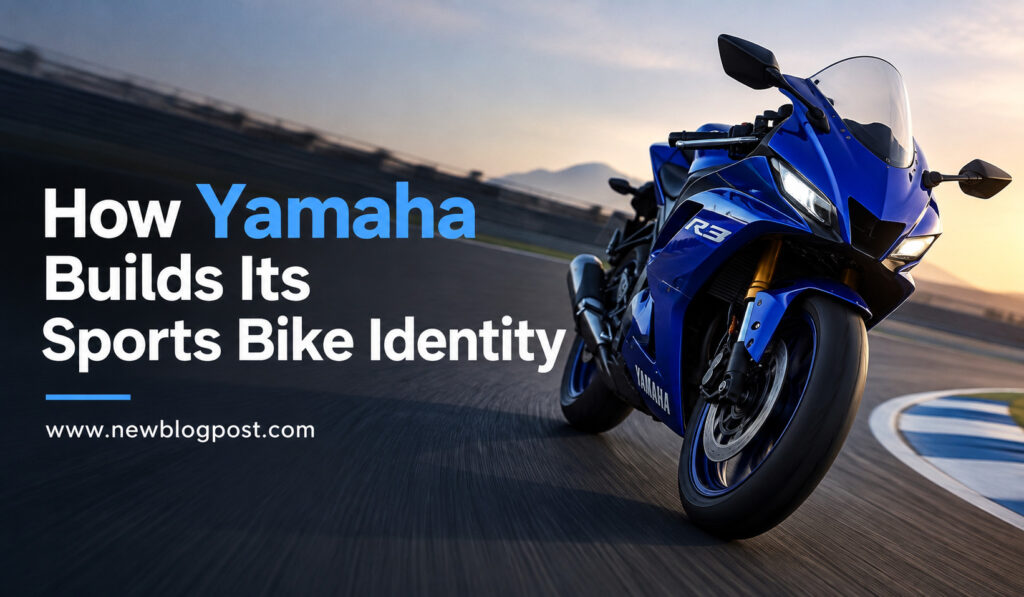

Yamaha has established itself as one of the most recognizable names in the global motorcycle industry, particularly among riders who value performance, sporty styling and an engaging riding experience. While the company produces motorcycles for different purposes, its sports bike identity remains one of its strongest brand characteristics. From lightweight entry-level models to powerful supersport machines, Yamaha has consistently focused on creating motorcycles that connect everyday riding with the excitement of racing.
In India, this identity is clearly visible through motorcycles such as the Yamaha R15 series and MT-15. These bikes combine aggressive styling, responsive handling and performance-focused engineering while remaining practical enough for regular road use. Yamaha’s approach demonstrates that a sports bike is not defined only by engine power. Design, technology, riding position, brand heritage and emotional appeal all play an important role in creating a successful sports motorcycle.
Racing Heritage Shapes Yamaha’s Motorcycle Philosophy
One of the biggest reasons behind Yamaha’s strong sports bike identity is its connection with motorcycle racing. The company has participated in various international racing championships and developed technologies that influence its production motorcycles.
Racing has helped Yamaha build an image around precision, speed and engineering excellence. Although most customers never ride on a professional race track, they are attracted to motorcycles that carry elements of racing-inspired design and technology. Yamaha understands this connection and brings performance-focused characteristics into motorcycles designed for everyday riders.
The R-series is a strong example of this philosophy. Yamaha’s R15 range draws inspiration from the company’s larger supersport motorcycles, including the R1. The design language, riding position and focus on cornering create a connection between entry-level riders and the world of professional sport biking.
This strategy allows Yamaha to sell more than just transportation. It sells an experience associated with speed, confidence and motorsport.
Aggressive Design Creates an Immediate Identity
A motorcycle’s appearance plays an important role in shaping customer perception, especially in the sports bike segment. Yamaha has developed a recognizable design language that makes its motorcycles appear dynamic even when parked.
The Yamaha R15 V4 and R15M feature full fairing designs inspired by supersport motorcycles. Sharp body panels, aerodynamic styling, split headlamp arrangements and compact proportions contribute to their racing-inspired appearance. These visual elements create an immediate impression of speed.
The MT series follows a different design direction. Instead of a full fairing, motorcycles such as the MT-15 use a streetfighter-inspired appearance. The aggressive headlamp design, muscular fuel tank and exposed mechanical components give the bike a bold and modern character.
Despite their differences, both motorcycle families share a common purpose: creating a strong emotional connection with riders.
Yamaha’s design strategy focuses on making motorcycles visually exciting without sacrificing everyday usability. This balance has helped the company appeal to younger riders who want their motorcycles to reflect their personality.
Performance Is About More Than Engine Power
When discussing sports motorcycles, engine performance is often the first topic that comes to mind. However, Yamaha’s approach focuses on creating a balanced riding experience rather than simply increasing horsepower.
The Yamaha R15 series uses a 155cc liquid-cooled engine with Variable Valve Actuation technology. This technology helps the engine deliver a combination of usable low-speed performance and stronger power delivery at higher engine speeds.
For everyday riders, this means the motorcycle can remain manageable in city traffic while still offering an exciting experience on open roads. The six-speed transmission further supports this balance by allowing riders to maintain better control over engine performance.
The MT-15 follows a similar philosophy with its 155cc engine and lightweight streetfighter design. Its compact dimensions and responsive handling make it suitable for urban riding, while its sporty character keeps the experience engaging.
This focus on balanced performance is an important part of Yamaha’s identity. The company recognizes that most sports bike owners use their motorcycles for commuting, weekend rides and occasional long-distance journeys. Therefore, performance must be enjoyable without becoming impractical.
Handling and Chassis Engineering Build Rider Confidence
A true sports bike experience depends heavily on handling. Yamaha has invested significant attention in chassis development, suspension systems and overall motorcycle balance.
The R15 V4 and R15M feature a deltabox-style frame, a design associated with Yamaha’s performance motorcycles. The frame is designed to provide stability and rigidity while allowing the motorcycle to respond predictably during cornering.
The use of upside-down front forks in selected Yamaha sports motorcycles further supports the company’s performance-oriented image. These suspension components contribute to improved front-end stability and handling during braking and cornering.
However, Yamaha’s focus on handling is not limited to track riding. A well-balanced motorcycle can also provide greater confidence during everyday traffic situations. Riders benefit from predictable steering, controlled braking and stable cornering.
This makes Yamaha motorcycles appealing to both enthusiasts and practical buyers who want a sporty motorcycle without dealing with an overly demanding riding experience.
Technology Strengthens the Modern Sports Bike Image
Modern motorcycle buyers increasingly expect technology to be part of their riding experience. Yamaha has responded by introducing electronic and connected features in its sports-oriented models.
Features such as traction control, digital instrument clusters, smartphone connectivity and quick-shifter availability help Yamaha motorcycles maintain a modern identity.
The R15M, for example, includes performance-focused equipment such as traction control and quick-shifter technology. These features are particularly attractive to riders who want a more advanced motorcycle experience.
Traction control can help reduce wheel spin during certain riding conditions, while a quick shifter allows smoother gear changes without requiring traditional clutch operation for every shift. Such features may not be essential for all riders, but they contribute significantly to the motorcycle’s premium and sporty appeal.
Yamaha also uses connected technology through its Y-Connect system on compatible models. This allows riders to access information related to their motorcycle through a smartphone, adding convenience to the performance-oriented package.
By combining technology with traditional mechanical engineering, Yamaha ensures that its sports bikes remain relevant in a rapidly changing motorcycle market.
The R-Series Represents Yamaha’s Pure Sports Bike DNA
Among Yamaha’s motorcycle families, the R-series is perhaps the clearest expression of the company’s sports bike identity.
The Yamaha R15 has played an important role in introducing Indian riders to supersport-inspired motorcycles. Its compact engine, aggressive fairing and focused riding position make it visually and mechanically different from conventional commuter motorcycles.
Over the years, the R15 has developed through multiple generations, with improvements in styling, suspension, technology and engine refinement. The R15 V4 and R15M continue this legacy by offering features that were previously associated with more expensive performance motorcycles.
What makes the R-series successful is its ability to combine aspiration with accessibility. Riders who dream of owning a larger superbike can experience a similar design philosophy through the R15 family.
This connection between entry-level ownership and premium motorcycle aspiration has become one of Yamaha’s strongest marketing advantages.
The MT Series Adds a Different Dimension to Yamaha’s Identity
While the R-series focuses on supersport styling, the MT series represents Yamaha’s streetfighter personality.
The MT-15 has become popular among riders who prefer an upright riding position, aggressive styling and everyday practicality. Its naked motorcycle design gives it a distinct character compared with fully faired sports bikes.
The MT series is often associated with Yamaha’s “Dark Side of Japan” design philosophy, which emphasizes bold styling and urban performance.
This approach helps Yamaha reach a broader audience. Not every rider wants a committed supersport riding position or full fairing. Some prefer a motorcycle that feels sporty but remains comfortable for city commuting.
The MT-15 addresses this requirement by combining sporty engineering with practical ergonomics. As a result, Yamaha’s sports bike identity extends beyond one specific motorcycle category.
Yamaha’s Focus on Younger Motorcycle Buyers
Yamaha has developed a strong connection with younger riders, particularly those entering the premium motorcycle segment for the first time.
The company understands that younger customers often consider motorcycles an extension of their lifestyle and personality. They want attractive designs, recognizable branding and features that make their motorcycles stand out.
Yamaha’s sports bikes meet these expectations through aggressive styling, racing-inspired branding and modern technology.
Social media and motorcycle communities have also helped strengthen this identity. Riders frequently share photographs, modifications, road trips and riding experiences involving Yamaha motorcycles. This creates a community-driven image that supports the brand beyond traditional advertising.
The emotional appeal of owning a Yamaha sports bike can be just as important as its specifications. The brand represents youthfulness, excitement and individuality for many enthusiasts.
Balancing Everyday Usability With Sporty Character
One of Yamaha’s most successful strategies is its ability to combine sporty characteristics with practical usability.
Motorcycles such as the R15 and MT-15 are not limited to weekend recreational riding. They can also be used for daily commuting, college travel and regular city transportation.
Their relatively manageable engine sizes, fuel-injected technology and compact dimensions make them suitable for Indian riding conditions. At the same time, their styling and performance ensure that owners do not feel they are compromising on excitement.
This balance is particularly important in markets where motorcycles serve multiple purposes. Yamaha has recognized that customers want performance without giving up convenience.
As a result, the company’s sports bike identity remains accessible to a wide range of riders.
Conclusion
Yamaha builds its sports bike identity through a combination of racing heritage, aggressive design, balanced performance, advanced technology and strong emotional branding. Instead of focusing only on engine power, the company creates motorcycles that deliver a complete sporting experience.
The R15 series represents Yamaha’s supersport-inspired engineering, while the MT-15 brings a streetfighter personality to everyday riding. Both reflect the company’s commitment to making motorcycles exciting, visually distinctive and enjoyable to ride.
By connecting motorsport inspiration with practical road-going motorcycles, Yamaha has created a lasting position in the sports bike market. Its success comes from understanding that riders are not simply buying machines—they are choosing a lifestyle, a personality and an experience associated with performance.